
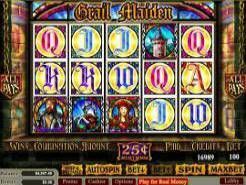
Type:5-reel, video, bonus
Themes:Middle Ages, Historical
Paylines:All pay

Founded in 2001, Wager Gaming Technology has evolved from an early web casino developer into a platform-focused provider best known for social casino titles and operator-grade software. If you’re evaluating technology partners for free-to-play or hybrid social-to-real-money projects, Wager Gaming Technology is worth a close look.
WGT’s front-end emphasis is obvious: crisp graphics, smooth animations, and layouts tuned for both desktop and mobile. Games load quickly in modern browsers thanks to HTML5, and touch controls translate cleanly to phones and tablets. Social features such as in-game chat, gifting, and tournament leaderboards are integrated without cluttering the main gameplay loops, which helps casual players jump in fast and stay engaged.
The portfolio leans on slots, poker, and table games adapted for free-to-play economies. Titles focus on realistic physics, authentic table rules, and tournament-ready formats rather than novelty mechanics. WGT also supports licensed and co-branded content through third-party partnerships, which can improve user acquisition for operator customers looking to leverage recognizable IP without building it themselves.
WGT is built with modern web standards in mind: HTML5 front ends, scalable backend services, and RESTful APIs for integrations. The platform supports real-time tournament orchestration, player state synchronization across devices, and basic SDKs for mobile wrappers. For operators, that means easier integration into wallets, loyalty systems, and analytics pipelines, with cloud-friendly deployment options for scaling peak traffic.
For operators moving toward regulated markets, WGT offers configurable compliance modules: player verification hooks, exclusion lists, spend and session limits, and reporting exports to meet jurisdictional requirements. Security practices include standard encryption for data in transit and at rest, plus anti-fraud monitoring that flags suspicious behavior patterns. These components aren’t a substitute for full regulatory certification, but they provide a practical starting point for operators building compliant products.
WGT platforms rely on familiar, performance-proven retention levers: daily log-in rewards, tiered VIP progression, timed tournaments, and limited-time events. Virtual currency economies are configurable, letting operators tune acquisition funnels and in-game pricing. The platform also supports social mechanics that boost organic reach, like gifting and friend leaderboards, which can reduce UA cost per retained user when working with strong creative.
The operator console includes player management, segmented promotions, CRM campaign tools, and real-time KPIs. Analytics cover retention cohorts, ARPDAU estimates, and conversion funnels for virtual currency purchases. These tools are practical for mid-market operators who need actionable dashboards without building a full data science stack from scratch.
WGT excels when the goal is fast time-to-market for social casino products that prioritize realism and tournament play. Strengths include polished player-facing UX, stable cross-platform performance, and a pragmatic set of operator tools.
Trade-offs to consider: WGT is focused on social and hybrid models rather than turnkey solutions for every regulated real-money market. Operators seeking deep, bespoke integrations with complex banking rails or state-by-state regulatory certification may need additional engineering or third-party services. Also, heavy monetization patterns common in social casinos can frustrate some player segments if not tuned carefully.
If you’re an operator evaluating WGT, run a short pilot with A/B tests for onboarding flows and currency pricing to validate lift in your target demographics. Ask for documentation on APIs, sandbox environments, and sample compliance workflows. For product owners, audit the tournament and leaderboard customization options early — these are key drivers of long-term retention in social casino audiences.
Wager Gaming Technology offers a practical, mature platform for social casino projects with solid front-end polish and operator-friendly back-office tools. It’s a contender for teams that want fast deployment and proven engagement mechanics, while teams targeting tightly regulated real-money rollouts should plan for supplemental compliance work and deeper payment integration.